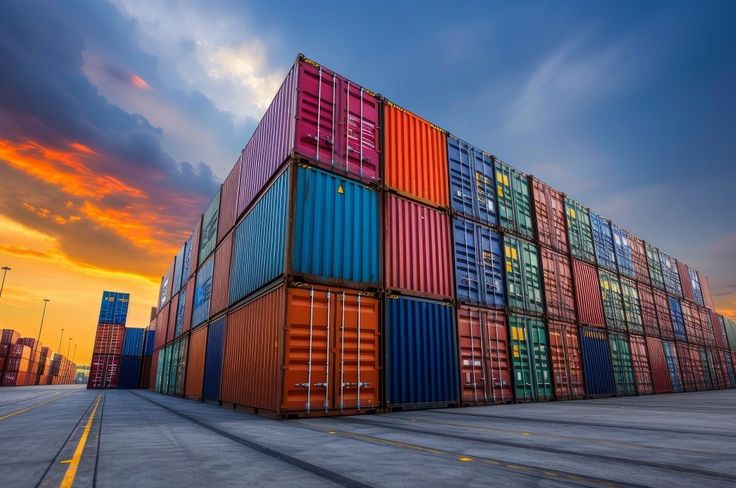
Container shipping plays a vital role in global trade, enabling businesses to move goods efficiently across international markets. From retail products and industrial equipment to raw materials and commercial cargo, containerized freight has become the backbone of modern supply chains.
Understanding how container shipping works can help businesses make informed logistics decisions and improve transportation efficiency.
What Is Container Shipping?
Container shipping is the transportation of cargo using standardized shipping containers. These containers are designed to be easily transferred between ships, trucks, and rail networks without unloading the cargo itself.
This standardized approach improves efficiency, security, and cost-effectiveness throughout the shipping process.
Types of Container Shipping Full Container Load (FCL)
FCL shipping involves the exclusive use of an entire container by a single shipper. This option is ideal for large shipments that require maximum space and security.
Benefits include:
-
Faster transit times
-
Reduced handling
-
Greater cargo security
-
Lower risk of damage
Less Than Container Load (LCL)
LCL shipping allows multiple shippers to share container space. This solution is suitable for smaller shipments that do not require a full container.
Benefits include:
-
Lower shipping costs
-
Flexible shipment sizes
-
Efficient use of container space
Common Container Sizes 20-Foot Container
Suitable for heavy cargo and moderate shipment volumes.
40-Foot Container
Offers increased storage capacity for larger shipments.
High Cube Containers
Provide additional height for oversized cargo requirements.
Benefits of Container Shipping Global Reach
Container shipping connects businesses to international markets through extensive port networks.
Cargo Protection
Containers protect goods from weather conditions, theft, and handling damage.
Cost Efficiency
Large shipment volumes can be transported at competitive rates.
Supply Chain Flexibility
Containers support multimodal transportation involving ships, trucks, and rail services.
Standardized Handling
Uniform container sizes simplify logistics operations and reduce delays.
Important Shipping Documents
Businesses involved in international shipping often require:
-
Bill of Lading
-
Commercial Invoice
-
Packing List
-
Certificate of Origin
-
Customs Documentation
Proper documentation helps ensure smooth customs clearance and timely delivery.
Choosing the Right Shipping Solution
When selecting container shipping services, businesses should consider:
-
Cargo type
-
Shipment volume
-
Delivery deadlines
-
Budget requirements
-
Destination country regulations
Working with an experienced logistics provider can simplify these decisions and improve operational efficiency.
Conclusion
Container shipping is an essential component of international commerce. Its flexibility, reliability, and scalability make it suitable for businesses of all sizes. By understanding container options, shipping processes, and documentation requirements, companies can optimize their supply chain and achieve successful global trade operations.