In today's fast-moving business environment, efficient supply chain management is essential for maintaining customer satisfaction and staying competitive. One of the most important components of a successful supply chain is warehousing. Modern warehousing does much more than simply store products—it helps businesses manage inventory, improve order fulfillment, reduce costs, and enhance operational efficiency.
Whether you operate a manufacturing company, retail business, e-commerce store, or distribution network, effective warehousing can significantly improve your logistics performance and overall business operations.
What Is Warehousing?
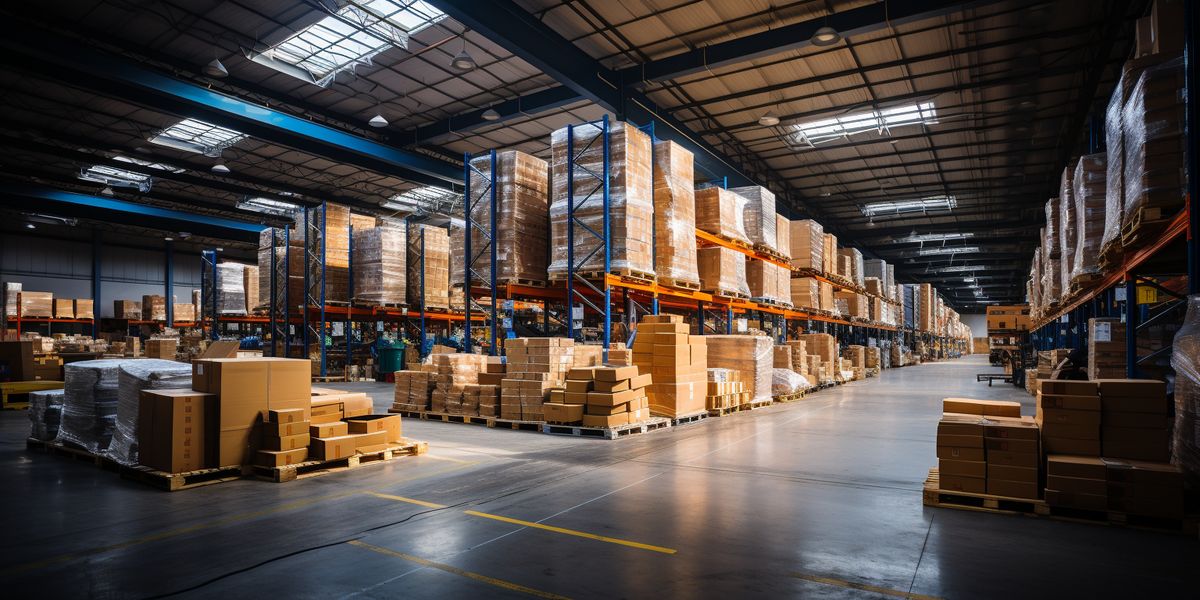
Warehousing refers to the storage of goods, inventory, and products in dedicated facilities before they are distributed to customers, retailers, or other destinations. Warehouses serve as strategic hubs within the supply chain, helping businesses maintain inventory levels and ensure products are available when needed.
Modern warehousing facilities often include advanced inventory management systems, security measures, order processing capabilities, and transportation coordination services.
The Role of Warehousing in Supply Chain Management
Warehousing acts as a critical link between production and distribution. It allows businesses to store products safely while ensuring they can respond quickly to customer demand.
Without proper warehousing, companies may face inventory shortages, delayed deliveries, increased transportation costs, and reduced customer satisfaction.
A well-managed warehouse supports the smooth flow of goods throughout the entire supply chain.
Key Benefits of Warehousing 1. Improved Inventory Management
One of the biggest advantages of warehousing is better inventory control. Businesses can monitor stock levels, track product movement, and maintain accurate records of available inventory.
Effective inventory management helps prevent:
-
Overstocking
-
Stock shortages
-
Lost inventory
-
Order fulfillment errors
With real-time inventory visibility, companies can make informed purchasing and production decisions.
2. Faster Order Fulfillment
Customer expectations continue to rise, and fast delivery has become a major competitive advantage.
Strategically located warehouses allow businesses to store products closer to customers, reducing delivery times and improving service levels.
Efficient warehouse operations help ensure:
-
Faster order processing
-
Quicker dispatch
-
Reduced delivery delays
-
Improved customer satisfaction
3. Cost Reduction
Warehousing can help businesses reduce overall logistics costs by improving transportation planning and inventory management.
Some cost-saving benefits include:
-
Bulk purchasing opportunities
-
Reduced emergency shipping expenses
-
Lower transportation costs
-
Improved resource utilization
-
Minimized inventory losses
By optimizing storage and distribution processes, businesses can improve profitability while maintaining service quality.
4. Enhanced Product Safety and Security
Modern warehouses are designed to protect products from damage, theft, and environmental factors.
Security features may include:
-
CCTV monitoring
-
Access control systems
-
Fire protection systems
-
Climate-controlled storage
-
Inventory tracking technology
These measures help ensure that products remain in excellent condition throughout the storage period.
5. Better Demand Management
Market demand often fluctuates throughout the year. Seasonal trends, promotional campaigns, and unexpected market changes can significantly impact inventory requirements.
Warehousing allows businesses to:
-
Prepare for peak seasons
-
Manage demand fluctuations
-
Maintain safety stock
-
Reduce stockout risks
This flexibility enables companies to meet customer demand more effectively.
Types of Warehousing Solutions Public Warehousing
Public warehouses provide storage space for multiple businesses and are ideal for companies seeking flexible storage solutions without investing in their own facilities.
Private Warehousing
Private warehouses are owned and operated by individual companies for exclusive use.
Distribution Centers
Distribution centers focus on rapid product movement and order fulfillment rather than long-term storage.
Bonded Warehouses
Bonded warehouses allow imported goods to be stored before customs duties are paid.
Climate-Controlled Warehousing
These facilities maintain specific temperature and humidity conditions for sensitive products.
Warehousing and E-Commerce Growth
The rapid growth of e-commerce has increased the importance of efficient warehousing.
Online retailers rely heavily on warehousing for:
-
Inventory storage
-
Order picking and packing
-
Same-day shipping
-
Returns management
-
Customer satisfaction
Modern fulfillment centers use technology and automation to process large volumes of orders quickly and accurately.
Technology in Modern Warehousing
Today's warehouses utilize advanced technology to improve efficiency and accuracy.
Common technologies include:
Warehouse Management Systems (WMS)
These systems help manage inventory, track stock movements, and optimize warehouse operations.
Barcode and RFID Tracking
Automated tracking improves inventory accuracy and reduces manual errors.
Automated Storage Systems
Automation helps improve productivity and reduce operational costs.
Real-Time Reporting
Businesses can monitor inventory levels and warehouse performance through detailed analytics and reporting tools.
Choosing the Right Warehousing Partner
Selecting the right warehousing provider is critical for long-term supply chain success.
Businesses should consider:
-
Facility location
-
Storage capacity
-
Security standards
-
Technology capabilities
-
Scalability
-
Industry experience
-
Distribution network
-
Customer support
A reliable logistics partner can help businesses improve efficiency while reducing operational challenges.
How Robster Logistik Supports Warehousing Needs
Robster Logistik offers secure and flexible warehousing solutions designed to support modern supply chain requirements. Our facilities provide safe storage, inventory management, distribution support, and efficient logistics coordination for businesses across various industries.
Whether you require short-term storage, long-term inventory management, or integrated logistics services, our team delivers customized warehousing solutions that help streamline operations and improve business performance.
Conclusion
Warehousing is much more than a storage function—it is a strategic component of successful supply chain management. Effective warehousing improves inventory control, enhances customer service, reduces operational costs, and supports business growth.
As supply chains continue to evolve, businesses that invest in reliable warehousing solutions will be better positioned to meet customer demands, improve efficiency, and maintain a competitive advantage in the marketplace.